The Crinear Reference feels almost rebellious in a market flooded with oversized bass shelves and aggressively elevated treble. Instead of chasing the usual excitement-first tuning, it leans into a more balanced and mature presentation that focuses on tonal accuracy, midrange realism, and long-term listenability. That alone makes it stand out.
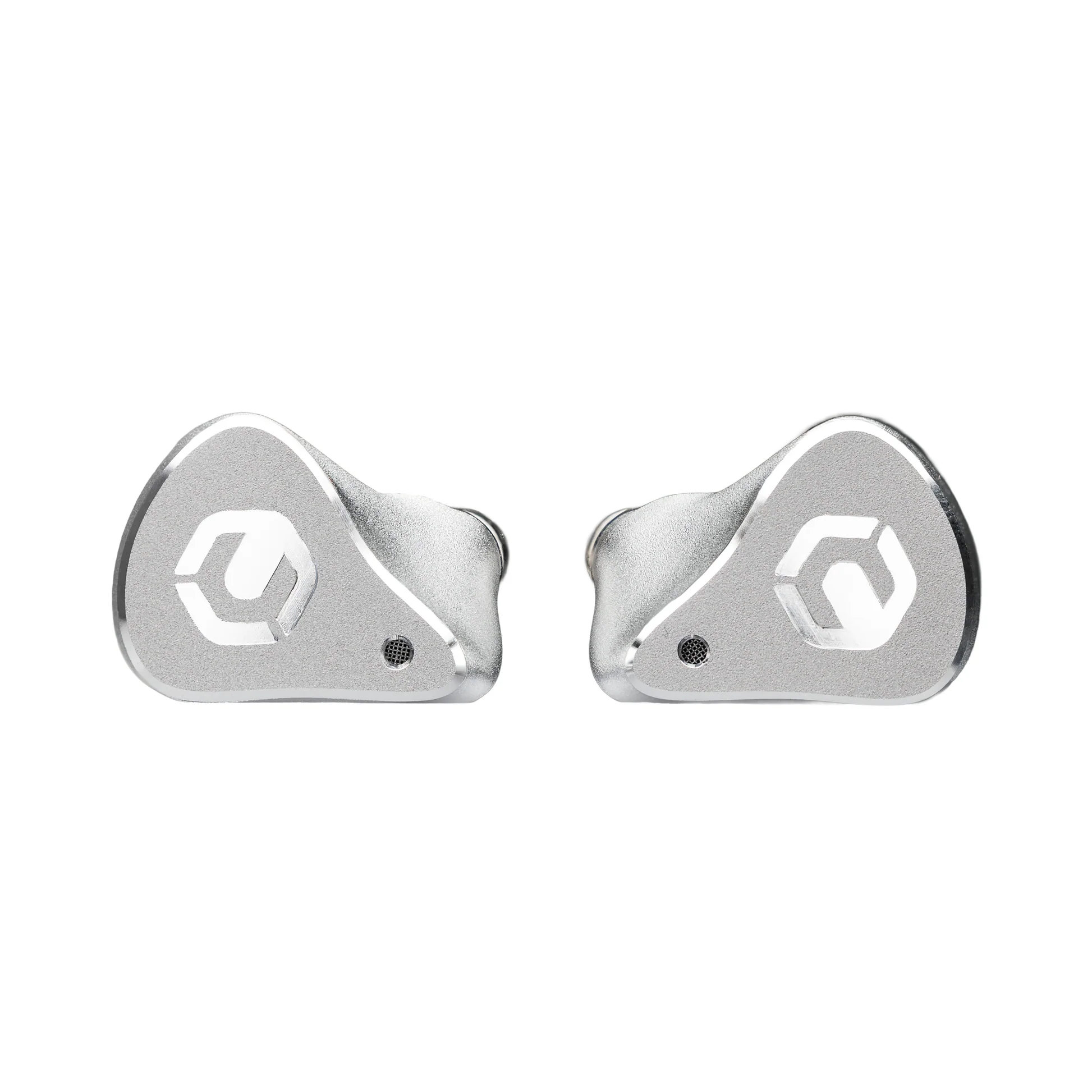
Crinear Reference
What grabbed my attention immediately is how unapologetically neutral this IEM sounds. Not clinical in the cold or sterile sense, but restrained in a way that lets instruments and vocals breathe naturally without forcing detail into the foreground. Listeners coming from more modern “meta” tunings packed with huge sub-bass and sparkling upper treble may initially hear the Crinear Reference as softer or even slightly warm. After spending time with it mentally, though, the tuning starts to make a lot of sense.
The biggest strength here is balance. I never get the feeling that one region is overpowering the rest just to create a quick wow factor. Instead, the presentation seems carefully arranged to avoid masking, allowing the midrange to come through with impressive clarity and realism. Vocals, guitars, pianos, and acoustic instruments all benefit from that approach.
Unboxing and First Impressions
The unboxing experience follows the same philosophy as the tuning itself: practical, clean, and focused. There is no excessive attempt to create a luxury spectacle, but the package still feels thoughtfully assembled with useful accessories instead of filler.
Inside the box, the Crinear Reference includes a carrying case, cable, ear tips, and a swappable termination system with a 4.4mm connector included. I especially like the decision to use a modular cable setup here because it makes the IEM more flexible for portable players and balanced outputs without forcing an immediate cable replacement.
The included case deserves some praise as well. I generally prefer compact rectangular cases over the round puck-style cases that many brands use, and the one included here looks far easier to slip into a bag or backpack. It fits the overall product identity nicely: understated, functional, and not trying too hard.
The cable itself seems intentionally conservative. It does not appear flashy or aggressively styled, but that simplicity works in the product’s favor. Some listeners may wish for softer ear hooks or a more premium-feeling braid, and opinions differ on comfort with the stock cable specifically, but I appreciate that the package focuses on usability rather than gimmicks.
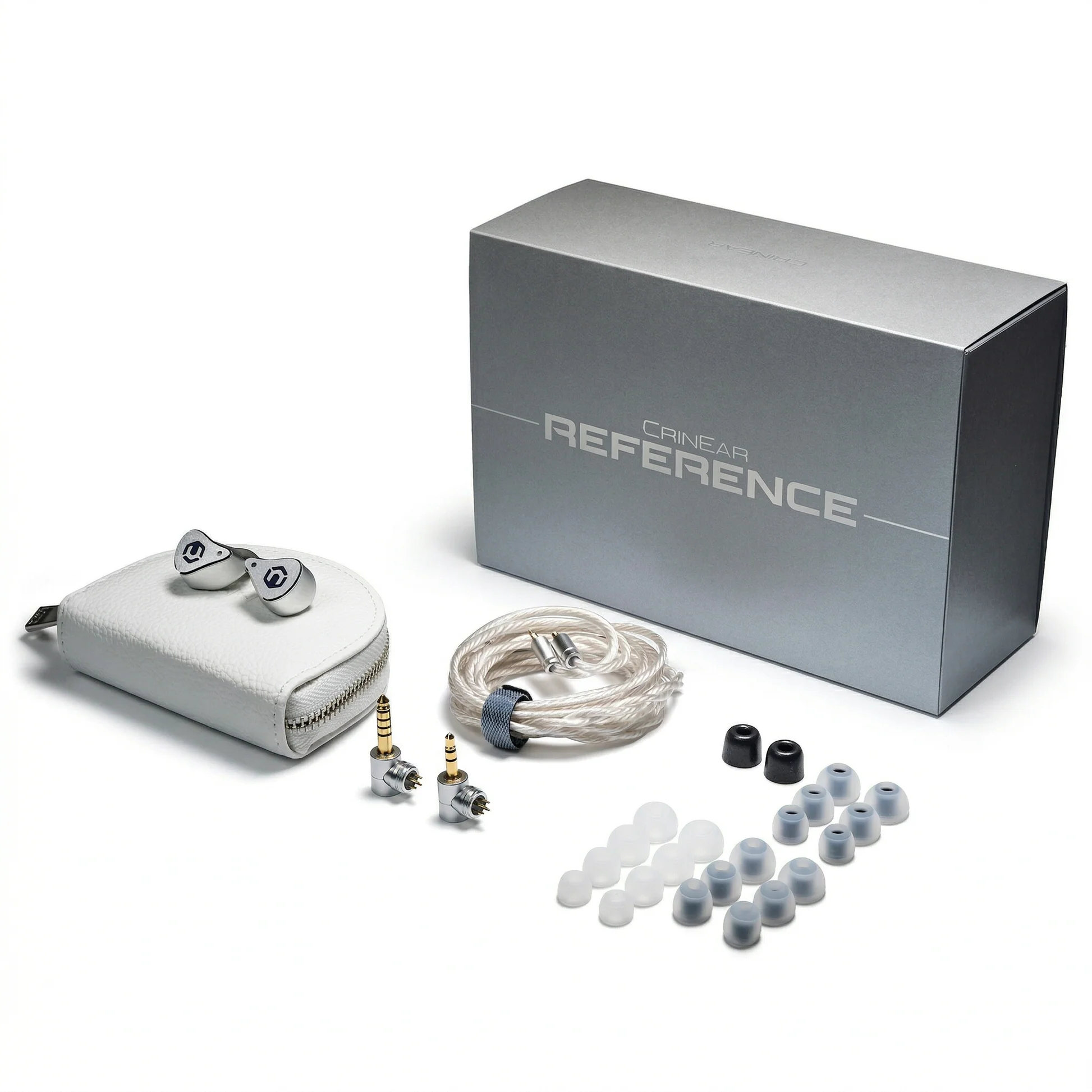
Crinear Reference Accessories
Build Quality and Design
The shell design is easily one of the strongest aspects of the Crinear Reference. Instead of relying on loud faceplates or exaggerated visual flourishes, the design leans toward a more refined and understated aesthetic. The matte-style finish paired with reflective accents gives it just enough personality without becoming distracting.
I tend to prefer this approach over the increasingly flashy designs common in the IEM market. The Crinear Reference looks purposeful rather than decorative, and the visual identity lines up perfectly with its sound philosophy. It feels like a product built around long-term use instead of social media impact.
Comfort also appears to be a major focus. The shells are relatively slim and ergonomic, and several impressions praise how naturally they sit in the ear. To my eyes, the shape looks optimized for stability rather than maximum isolation through aggressive insertion depth. Some listeners even place the fit among the best they have experienced from a universal IEM.
That said, insertion depth still matters quite a bit here. Like many neutral-oriented IEMs, small fit changes can affect tonal balance and treble perception. I can easily imagine different listeners walking away with slightly different impressions depending on tip choice and seal.
Overall, the Crinear Reference feels intentionally restrained in both design and execution. Rather than chasing a boutique jewelry aesthetic, it focuses on comfort, usability, and acoustic practicality. I think that was the right decision for this kind of tuning.
Sound Quality
The Crinear Reference revolves around neutrality, but not the thin or analytical kind that sacrifices musicality. To my ears, it aims for balance and tonal honesty while still keeping enough warmth and smoothness to avoid sounding sterile. The entire tuning feels centered around preserving midrange integrity and reducing the kind of masking that often comes from oversized bass boosts or aggressive upper treble.
What I find most compelling is how relaxed the presentation becomes during long listening sessions. Instead of constantly pushing detail into focus, the Crinear Reference allows music to unfold naturally. That restraint may initially sound less exciting compared to more V-shaped competitors, but over time I hear fewer tonal distractions and more believable instrument timbre.
Bass
The bass response is disciplined rather than explosive. Anyone expecting huge sub-bass rumble or heavy slam will probably want something more U-shaped. The Crinear Reference does not try to overwhelm the listener with low-end quantity.
What it does provide is a cleaner and more controlled bass foundation that avoids bleeding into the midrange. That balance allows vocals and instruments to remain remarkably clear. Bass notes sound defined and appropriately weighted instead of oversized.
Electronic music listeners or bassheads may find themselves wanting more physical impact, especially in sub-bass heavy tracks. Acoustic, jazz, vocal, and instrumental genres, however, benefit greatly from the cleaner low-end presentation.
Midrange
The midrange is the star of the show.
Vocals come across with excellent realism and balance, avoiding both shoutiness and excessive warmth. Male vocals sound grounded and natural, while female vocals maintain clarity without becoming piercing. I keep coming back to how unforced the presentation feels.
This tuning also seems particularly effective at preserving separation within the mids. Instruments occupy distinct positions without sounding artificially carved apart. Guitars, strings, pianos, and layered vocal arrangements all benefit from that cleaner presentation.
One of the more interesting aspects of the Crinear Reference is how it exposes tonal colorations in recordings themselves. Poorly mastered tracks remain poor recordings. Harsh cymbals still sound harsh. Bad mixing choices are not softened or hidden behind tuning tricks. That honesty can be refreshing, although it also means the IEM will not flatter every track.
Treble
The treble tuning is probably the most divisive area.
On one hand, the Crinear Reference avoids the exaggerated upper treble peaks that many modern IEMs use to create artificial detail. Sibilance control appears very strong, and the smoother upper range contributes heavily to the fatigue-free listening experience.
On the other hand, some listeners may interpret that smoother treble as slightly restrained or less energetic. Depending on insertion depth and personal preference, cymbal hits and upper harmonics can either sound natural and controlled or somewhat softened.
I can understand both perspectives. To my ears, the treble seems intentionally moderated to preserve balance and reduce fatigue rather than maximize sparkle. That means detail retrieval relies more on cleanliness and tonal accuracy than boosted brightness.
The advantage is that I can imagine listening at slightly higher volumes without immediately running into harshness around the upper mids and lower treble. The downside is that listeners who equate excitement with brightness may find the presentation too polite.
Technical Performance
The Crinear Reference handles technicalities in a way that matches its tuning philosophy. Instead of creating exaggerated separation through boosted treble or hyper-etched imaging, it relies on tonal cleanliness and reduced masking.
Imaging and layering appear particularly solid. The soundstage is not artificially massive, but it presents instruments with convincing organization and depth. Complex mixes feel structured and intelligible rather than congested.
The Crinear Reference sounds clean and composed rather than aggressively analytical. Its technical ability comes from coherence and tonal balance more than exaggerated contrast.
How It Compares
The easiest way to understand the Crinear Reference is to compare it against the dominant tuning trends currently shaping the IEM market.
Most modern releases chase some combination of elevated sub-bass, bright upper treble, and aggressive contrast between lows and highs. That style creates immediate excitement and often sounds impressive during short demos. The Crinear Reference goes in the opposite direction.
Compared to more U-shaped tunings, the Crinear Reference sounds calmer, more mid-focused, and significantly more natural through vocals and instruments. Listeners who enjoy heavily boosted bass energy may feel this tuning lacks drama, while listeners sensitive to fatigue or treble sharpness may find it far easier to live with.
The Daybreak comes up naturally as an alternative for people who want a more energetic and conventionally exciting presentation. If the Crinear Reference feels too restrained, that kind of tuning may fit better.
Is It Right for You?
The Crinear Reference makes the most sense for listeners who value tonal balance and realistic mids over raw excitement. If vocal clarity, instrument timbre, and long-term listening comfort matter more to you than thunderous bass or sparkling treble fireworks, this tuning becomes very appealing.
I especially see the appeal for acoustic music, jazz, classical, indie, singer-songwriter recordings, and vocal-focused genres. The cleaner midrange presentation helps instruments sound believable and separated without feeling artificially sharpened.
Listeners sensitive to fatigue may also appreciate the smoother upper range. The restrained ear gain and controlled treble make it easier to listen for extended sessions without the constant bite that some Harman-inspired tunings can introduce.
This is probably not the best choice for bassheads or listeners who prioritize explosive dynamics and exaggerated contrast. People who mainly enjoy EDM, trap, or heavily bass-driven music may find the presentation too controlled.
The Crinear Reference feels aimed at listeners who are tired of tuning gimmicks and want something more mature, balanced, and honest.
Final Verdict
The Crinear Reference succeeds because it refuses to follow trends blindly. Instead of chasing oversized bass shelves and hyper-boosted treble, it focuses on tonal balance, midrange realism, and fatigue-free listening. That decision gives it a distinct identity in a crowded market.
The strongest aspects are easy to identify: excellent mids, coherent tuning, strong comfort, and a presentation that reveals detail through cleanliness rather than artificial sharpness. I also appreciate the restrained industrial design and practical accessory package.
It will not satisfy everyone. Some listeners will absolutely want more sub-bass impact, more sparkle, or a more dramatic sense of excitement. Treble perception and fit sensitivity can also vary depending on insertion depth and preferences.
Even with those caveats, I find the overall execution extremely compelling. The Crinear Reference feels like an IEM built for people who listen deeply rather than briefly. Its strengths become clearer over time instead of fading after the initial impression.
For listeners searching for a genuinely balanced neutral-oriented tuning with outstanding midrange performance and excellent long-session comfort, the Crinear Reference stands out as one of the more convincing options in its category.
Where to Buy
You can find the Crinear Reference on:
Affiliate Disclaimer: Listen Vibes may earn commissions from qualifying purchases that helps to maintain the website - at no extra cost to you.